


Vaccinations and Health
Planning a trip to Thailand? Don’t overlook the health essentials. From vaccines and mosquito protection to food safety and hydration, staying healthy on the road can make or break your experience. Thailand has excellent medical care if you need it, but prevention is far easier, and cheaper, than treatment.
In this section, we’ll break down the vaccines we considered, the health advice we followed, and the travel medical kit we actually used. Whether you're sticking to the main tourist trail or heading into rural national parks, these tips will help you travel smarter, safer, and with fewer surprises.

Vaccinations
Before heading to Thailand, we were advised to ensure our vaccinations for Hepatitis A, Typhoid, and Tetanus were up to date; all commonly recommended for travellers to Southeast Asia.
We also considered the rabies vaccine, mainly because of the number of stray dogs we saw in travel videos and blogs. After speaking with a travel nurse, we opted not to get it, since our itinerary focused on more developed areas and the risk was low. That said, rabies can still be found in dogs, cats, and monkeys in Thailand, so if you’re planning more rural or off-the-grid adventures, it might be worth discussing.
Similarly, we chose not to take malaria tablets, as our route didn’t include the forested border zones where malaria risk is higher. But if you’re spending time in national parks or border regions, especially during wet season, talk to a travel health specialist, recommendations can vary widely based on location and time of year.
💡 Tip: Always consult a travel health professional at least 6–8 weeks before departure. They’ll tailor their advice to your exact route, length of stay, and health profile.

General Health Advise
Mosquitoes are everywhere. Dengue fever and other mosquito-borne illnesses are a real concern in Thailand, even in cities. We used DEET-based repellent daily and wore long sleeves in the evenings, especially after rain.
Hydration is crucial. The heat is no joke. Electrolyte powders or rehydration tablets came in handy more than once, these are readily found at 7-11 stores.
Don’t drink tap water. Stick to bottled or filtered water and avoid ice in rural areas. Most hotels provide complimentary bottled water daily.
Food safety: We ate plenty of street food and had no issues but we avoided anything sitting out in the sun or reheated multiple times. Look for vendors with high turnover and local customers.
Make sure you’re covered for medical care, hospitalisation, and emergency evacuation. Thailand’s private healthcare is excellent but it’s not cheap.
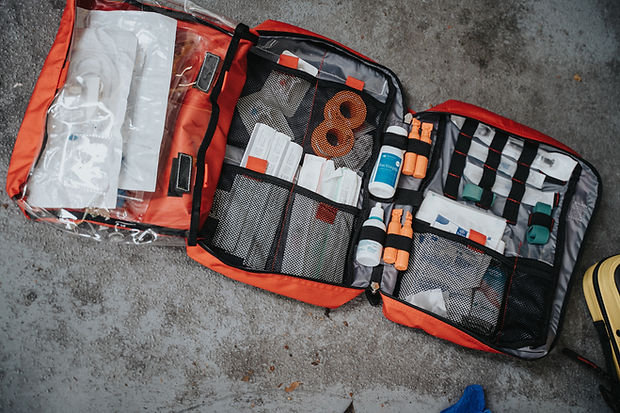
Suggested Travel Medical Kit
Here’s what we packed (and actually used):
✔ DEET mosquito repellent (we recommend at least 50%)
✔ After-bite soothing gel (for when you forget the repellent)
✔ Oral rehydration salts (hydration lifesaver)
✔ Paracetamol / ibuprofen
✔ Antihistamines (for bites or mild allergic reactions)
✔ Imodium / loperamide (for food-related emergencies)
✔ Antiseptic wipes or spray
✔ Plasters / blister plasters
✔ Tweezers
✔ Hand sanitiser
✔ Reusable face masks (still useful in crowded places or dusty areas)
✔ Any prescription meds in original packaging (plus a copy of your prescription)
Optional extras: Electrolyte tablets, a digital travel health record (on your phone), and a small roll of microporous tape